The Importance of Safety Signages in the Workplace
May 29, 2025
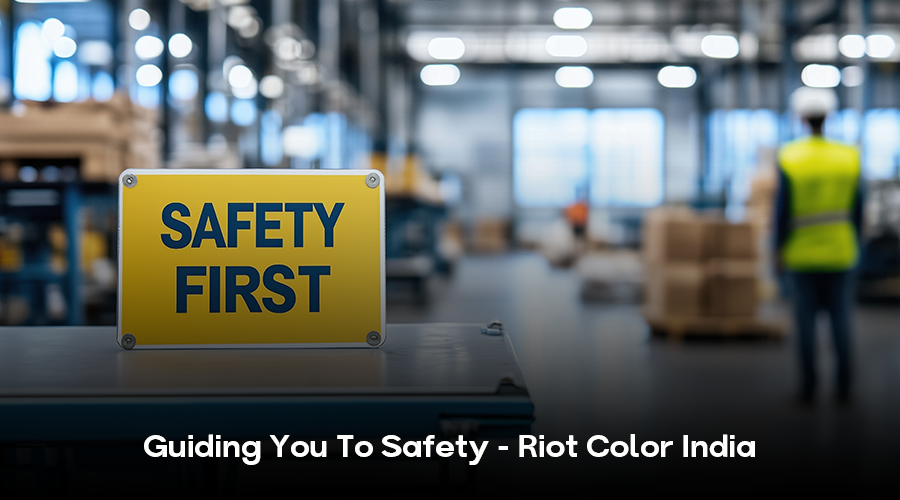
Organizational safety is an extremely essential concern for organizations across all industries. From construction sites to office environments, it is of utmost importance for organizations to provide employee, visitor, and contractor safety. One of the most effective and least utilized safety promotional devices is the use of safety signage. These visible reminders are continually available, reminding workers of hazards, procedures, and safety measures, and playing the lead role in accident prevention as well as in safety culture development. The following blog talks about the importance of safety signage at the workplace, its types, benefits, and practices for effective implementation.
Why Safety Signage Matters
Safety signs are not a collection of vividly colored posters or warning labels; they are a worthy form of communication that affords immediate and effective conveyance of life-critical information. In high-risk work environments like factories, warehouses, or building constructions where heavy-duty machinery, poisonous chemicals, or high-voltage machines exist, signage is literally the difference between life and death. Even in low-risk environments, such as workplaces or shopping malls, safety signs guide people into safe actions, such as proper evacuation methods in the event of emergencies.
The prime role of safety signage is to reduce the potential for accidents by alerting individuals to possible hazards. For example, a “Slippery Floor” sign can prevent falls, and a “Hard Hat Required” sign assists workers in protecting themselves within construction sites. By providing clear, concise instructions, safety signs allow employees to make sound decisions, thereby reducing the potential for injury and property loss.
Types of Safety Signage
There are several types of safety signs, all with different uses. Knowledge of the various types helps organizations choose the right kind of signage for their facility:
Warning Signs:
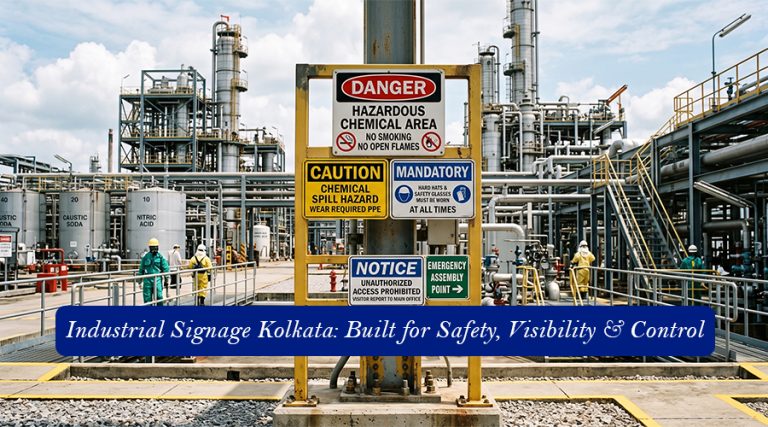
These signs warn staff members of the possibility of danger, be it electrical, falling objects, or toxic substances. These signs often employ bold colors like yellow or orange with markings like exclamation points or lightning bolts to catch the eye.
Prohibition Signs:
These indicate behavior which is forbidden, such as “No Smoking” or “No Entry.” Usually in a red circle with a diagonal stroke through it, prohibition signs prevent dangerous behavior.
Mandatory Signs:
These inform workers what to do, such as wearing personal protective equipment (PPE) or doing a specific procedure. Blue backgrounds and white text or symbols are standard for these signs.
Emergency Signs:
These guide people in emergency situations, pointing out fire exits, first aid facilities, or showers. Green or blue backgrounds with white icons or words ensure visibility under pressure.
Informational Signs:
These provide basic information, such as bathroom locations or hygiene protocol reminders. While not necessarily safety-related per se, they direct to a well-planned and efficient workplace.

Advantages of Safety Signage
The advantages of workplace safety signage are numerous. Some of the greatest advantages are:
Accident Prevention:
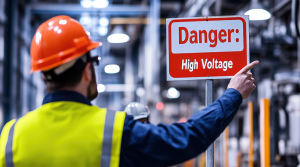
By clearly indicating danger, safety signs reduce the likelihood of accidents. For instance, a “High Voltage” sign will deter untrained personnel from handling electricity equipment.
Legislation Compliance:
All countries have stringent regulations around workplace safety, such as OSHA regulations in the US. The proper signage is one means of compliance, avoiding fines and lawsuits.
Increased Alertness:
Safety signs are reminders in the foreground, continuously reinforcing training and safety in mind. This is especially important for new employees or visitors who may be unfamiliar with the workplace.
Enhanced Emergency Response:
Uncobscured emergency signage, such as fire exit signs, enables people to evacuate quickly and safely in the event of an emergency, which can save lives.
Cost Savings:
Organizations incur less money in medical expenses, downtime, and possible litigation by avoiding accidents. Safety signage is a low cost with great dividends.
Best Practices for Effective Safety Signage
Organizations can maximize effectiveness in safety signage by using these best practices:
Keep Simple and Clear Design:
The signs should be simple to understand with a glance. Utilize symbols that are clearly recognized, black colors, and brief messages to render them lucid, especially for non-native speakers.
Strategic Location:
Place signs where they are most required, like around dangers or at eye level with traffic flow being high. Keep them visible and unobstructed by equipment or furniture.
Regular Maintenance:
Poor, damaged, or old signs lose effectiveness. Periodically inspect and replace signs to maintain its impact.
Tailor to the Workplace:
Different workplaces require different signs. A construction building would need more warning and necessary signs, while an office would emphasize emergency and information signs.
Employee Training:
Signs are most effective when supplemented with training. Educate employees on what the signs indicate and why it is important to follow their instructions.
Challenges and Solutions
Despite this, safety signs can be questioned. For example, employees may become accustomed to signs and ignore them due to familiarity. To counter this, organizations can update sign design at intervals or change the location of signs to maintain the interest continuously. Language barriers could be another challenge in multicultural organizations, and hence the use of universal symbols and more than one language as text will make it more explicit.
Conclusion
Safety signs are a cornerstone of workplace safety, a preventive step to prevent accidents, reinforce compliance, and create a culture of attention. An investment in safety warning signs strategically placed and properly maintained demonstrates that an organization is concerned with safeguarding its people. A caution about a slippery floor or instructions to the nearest fire exit, these signs are worth their weight in gold to creating a safer, more productive workplace. As companies continue to focus on employee health, safety signage will continue to be an important part of any safety initiative. So let Riot Color India help you with your safety signages for your industry needs.
FAQ
What are the Main Uses of Signage in a Workplace and How Can They Impact Safety Practices?
Signage used for the work environment serves to provide instructions and warnings regarding emergency procedures. Signage also helps individuals that work in the same environment understand where there may be potential hazards and will reinforce safe working practices, therefore reducing the likelihood of an accident occurring.
What is the Impact of Safety Signage on Workplace Safety?
By providing constant visual reminders of potential hazards, such as wet floors, electrical hazards, and restricted access areas, safety signage can contribute to individuals’ continuous awareness of those hazards and remind them to be cautious to prevent accidents.
What Are The Different Types of Safety Signage Used in a Workplace?
There are various types of safety signage within a workplace including; warning signs, prohibition signs, mandatory signs, emergency signage, and informational signs. Each type has its own specific purpose; for instance prohibition signs provide direction to prevent dangerous behavior while in an emergency situation signage would assist individuals in navigating to an appropriate exit or safe place.
How Can Safety Signs Facilitate Evacuating During an Emergency?
In an emergency situation such as a fire or an accident, signage provides individuals with direction to an exit, first-aid area, and safe place for evacuation. Safety signage provides important information that will reduce confusion during an emergency which can lead to safer and more organized evacuations.
Is safety signage needed at work?
Most companies need to have signs at the office as per regulations governing safety. These regulations exist to protect employees and to stay compliant with the law.
How do I ensure that my company's signage is effective?
In order to be effective, safety signs should be visible and easily understood. Signs that are clearly designed with sufficient durability/restoration through placement will have greater success than those which are not. Continuing to maintain each sign will assist employees in appreciating their value as well as continuing to use them.