Releasing the Potential of Large Graphics: Redefining Visual Storytelling
July 15, 2025
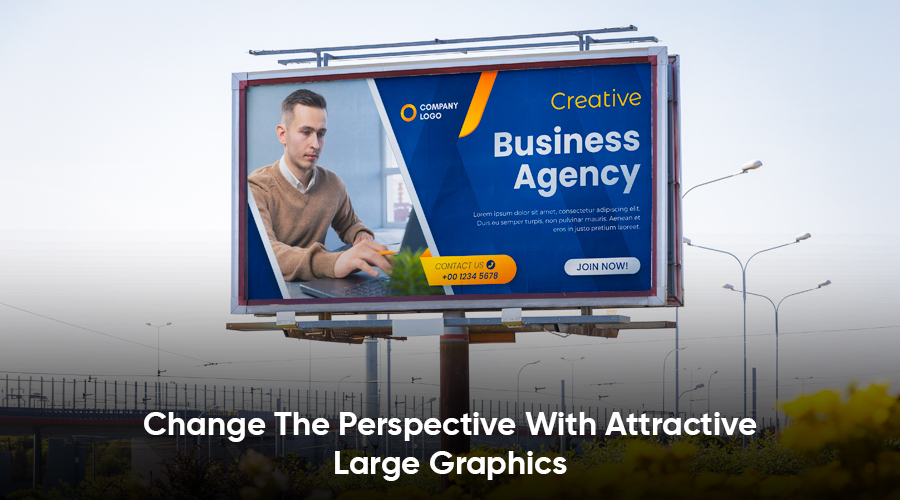
In an era abundant in visual imagery, large graphics have become forceful agents in the fields of design, branding, and storytelling. From massive billboards towering above the sky to extremely large digitally immersive graphics, large graphics are not simply enlarged pictures; they are commanding pictures capable of interrupting, conveying, and moving. This post talks about the unique space of large graphics, describes its influence and originality, and explores the diverse graphic types along with ways to deliberately steer clear of stereotypical design.
The Charm of Large Graphics
Large graphics are the heavy-duty players in the realm of visual communication. Their large size naturally grabs attention, so they are best suited for heavy-handed promotion, experiential installation, and brand activations. The tangibility and the fact that large-format visuals gather attention and help to identify the promotions. It is the embodiment of big graphics that captivates an audience on an impact level in such a beautiful sensory manner.
It’s not just a matter of size. Large graphics enhance emotional impact, and it’s an advantage that helps each industry for suitable branding. So large graphics play an important role in each aspect.
What Makes Large Graphics Unique?
Custom Large graphics differ from regular graphics in certain challenges and opportunities they present. Here’s why they are different:
Resolution is Important:
A graphic may appear clear on a phone screen but pixelated on a 50-foot billboard. High-res assets (300 DPI or more for printing) are a given. Vector graphics tend to be used due to their scalability without losing any quality.
Environmental Setting:
Big graphics don’t stand alone. A wall mural in a city interacts with its environment, architecture, weather, and pedestrian traffic. Designers need to consider the distance of view, lighting, and even the changing seasons.
Psychological Effect:
Size makes a difference. A study in psychology reported that bigger visuals evoke stronger emotions because they command the viewer’s field of vision, generating a feeling of immersion.
Large Graphics Applications
Large graphics are expanding beyond their conventional use as billboards. Here are some innovative applications:
Interactive Installations:
Picture a 20-foot touchscreen in a shopping mall, where consumers play with a brand’s logo to access reduced prices. Companies have been testing such screens, combining physical size with digital interactivity.
Eco-Friendly Murals:
Sustainability is redefining giant graphics. The industry uses biodegradable inks and modular panels for temporary installations. And it’s safer to naturally think about the environment side by side.
Dynamic Digital Displays:
LED technology advancements enable real-time updates on gigantic screens. At the 2024 Paris Olympics, digital billboards changed content according to live event results, keeping the audience interested.
Types of Large Graphics
Large graphics are available in many forms, with each boasting distinctive properties and uses. Below are the main types that dictate the market:
Billboards:
The traditional large graphic billboards cover highways and city streets. In static (printed vinyl) or digital (LED displays) form, they’re intended for visibility purposes. Digital billboards support dynamic content, indicating that they produce 15% more engagement than static billboards.
Murals:
Painted by hand or digitally printed, murals turn building walls into artwork. They’re usually community-based, promoting local culture or history. Demonstrating with its best vibrant graphics.
Vehicle Wraps:
From buses to delivery vehicles, vehicle wraps turn rolling objects into rolling billboards. They need long-lasting, weather-resistant materials such as vinyl and are meant to be read quickly at different distances.
Trade Show Displays:
These enormous graphics, frequently fabric- or module-based, form interactive brand experiences in exhibitions. They integrate graphic boldness with structural components such as backlit panels, with 2025 trade shows experiencing a 20% increase in interactive display demand.
Retail Signage:
Massive signs in malls or stores, such as lighted fascia boards, attract shoppers with strong branding. They usually combine lighting and 3D effects for increased depth, while retail focuses on sustainable materials.
The Future of Large Graphics
The future is big and bright. New technologies with wall graphics, large banners, and floor graphics are now important in the real market for advertising and promotions. Most of the retail or shopping malls use large graphics for their advertising, and improve their branding with the help of large graphics. such as LED Signages for retail stores and even corporate offices are also accepting this latest technology which is breaking the rules.
Sustainability will have its impact. Look for more brands using environmentally friendly materials and power-saving screens. Crowd-sourced projects, such as crowd-designed murals, are picking up steam, promoting inclusivity and community pride.
Conclusion: Go Big, but Go Smart
Big graphics are not just a design decision, they’re a strategic weapon to demand attention and tell stories that won’t be forgotten. Through the use of the appropriate kind of graphic in the environment, designers can create images that resonate far and wide and far beyond cultures. Whether it’s a giant billboard, a bright mural, or a wall graphics, the answer is to plan big but design smartly. Seize the scale, honor the environment, and have your graphics make a lasting impact with Riot Color India.